Misinformation and disinformation ranked as the biggest threat for the coming two years, according to the World Economic Forum’s annual survey.
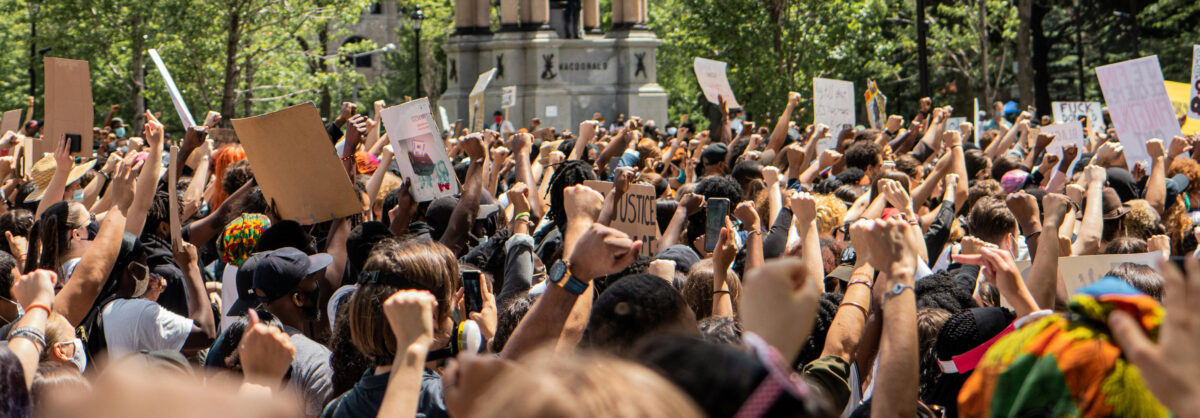
As around half of the world’s population go to the electoral polls during that time, the report suggested that the widespread occurrence of misinformation could undermine the legitimacy of any newly-elected governments. That could potentially lead to violent protest, hate crimes and civil unrest.
Polarisation
But the risk does not just affect political processes. “In response to mis- and disinformation, governments could be increasingly empowered to control information based on what they determine to be ‘true’,” the report said. “Freedoms relating to the internet, press and access to wider sources of information that are already in decline risk descending into broader repression of information flows across a wider set of countries.”
Social polarisation ranked separately in third place in the survey. Together with the related possibility of an economic downturn, these two risks taken together are seen as the most influential factors of the global risk network – both as drivers and possible consequences for numerous risks, the report said.
Extreme weather events ranked second in this year’s survey with pollution in tenth place. Over the coming ten years, however, the top four risks are all environment related. In order of severity they comprise: extreme weather events, critical change to earth systems, biodiversity loss and ecosystem collapse, and natural-resource shortages.
Cooperation
While global cooperation will come under pressure, there remain key opportunities to act both locally and globally to significantly reduce the impact of global risks.
“Localised strategies leveraging investment and regulation can reduce the impact of those inevitable risks that we can prepare for, and both the public and private sector can play a key role to extend these benefits to all,” the report said. “Single breakthrough endeavours, grown through efforts to prioritise the future and focus on research and development, can similarly help make the world a safer place.”