Retailers have had a torrid time over the past four years – with many having to rapidly roll out online-only services during the pandemic. While there will be a continuing focus on developing technology-based services, physical stores seem here to stay, according to a recent survey.
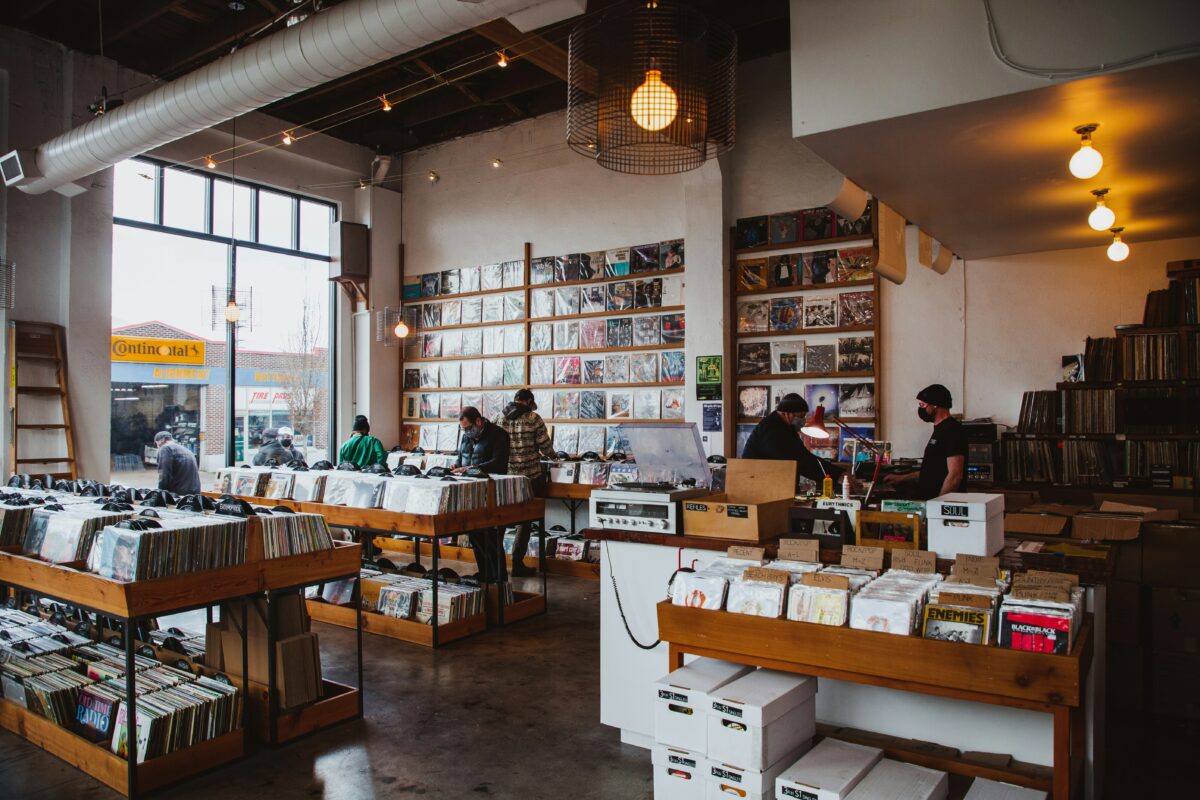
“Despite the many challenges, our respondents were broadly positive about their prospects and profitability for the next few years,” said WTW’s Global retail survey report for 2024. “Most will continue to have physical stores. And even businesses that are currently online only envisage having some physical footprint in the next 3-5 years.”
Greatest risks
Half of respondents said that brand and reputation would be their greatest risks over the coming 3 to 5 years. This reflects concerns over issues such as influencer and celebrity endorsements risks. Brands have increasingly turned to online personalities, who sometimes have huge followings in hard-to-reach demographics to push their brands. This led advertising authorities to publish guidance last year on fair practices.
In addition, given the rapid expansion in the use of technologies to deliver online goods and services, cyber risk featured as a top risk. “New technologies may be opening new gaps for cyber criminals and increasing the risk of inadvertent data breaches,” the report said.
Technological optimism
But retailers said they would increase focus on building online outlets as they said that consumers were becoming “more elusive and harder to please”.
“Our survey suggests retailers are turning to digital technologies that can help them learn about their customers and follow them across platforms, while delivering the personalised service that shoppers increasingly expect,” the report said.
In real terms, that means increased investment in artificial intelligence (48 per cent), mobile apps (48 per cent), the internet of things (43 per cent) and virtual reality (32 per cent). “AI offers huge potential for retail,” the report said. “It can help to automate processes and supply chain operations, remove friction and deliver personalised recommendations.”
Supply chain worries persist, especially among online-only retailers. Supply chains are vulnerable to a range of factors, such as natural disasters, shipping problems and potential shortages in raw materials or key products.