Organisations are increasingly concerned about disruptions to global commerce by so-called grey zone aggression, according to a survey by wtwco.
Elisabeth Braw, a senior fellow with the Transatlantic Security Initiative at the Atlantic Council, is quoted by the report saying, that grey zone aggression represents action that takes place “in the grey zone between war and peace and is used to weaken a country using means short of war.”
Hard to fight
While such strikes against, for example, shipping and infrastructure can be very effective, preventing them from happening is difficult. That is because perpetrators can be difficult to identify – for example, it is unclear who attacked the Nord Stream pipelines connecting Russia and Europe.
The respondents to the report’s survey said that state-sponsored supply chain disruption was their biggest concern (62 per cent), followed by state-sponsored social unrest (46 per cent) and attacks on infrastructure (44 per cent).
The report says that the Houthi’s attacks in Middle East exemplify such disruption. “Partly because the Houthis are a non-state actor, it is difficult for the West to find an effective deterrent response,” the report said. “Moreover, retaliation against Iran, the state often said to be sponsoring these attacks, is difficult because Iran is only indirectly involved (for instance by allegedly providing weapons or intelligence to the Houthis).”
New risks
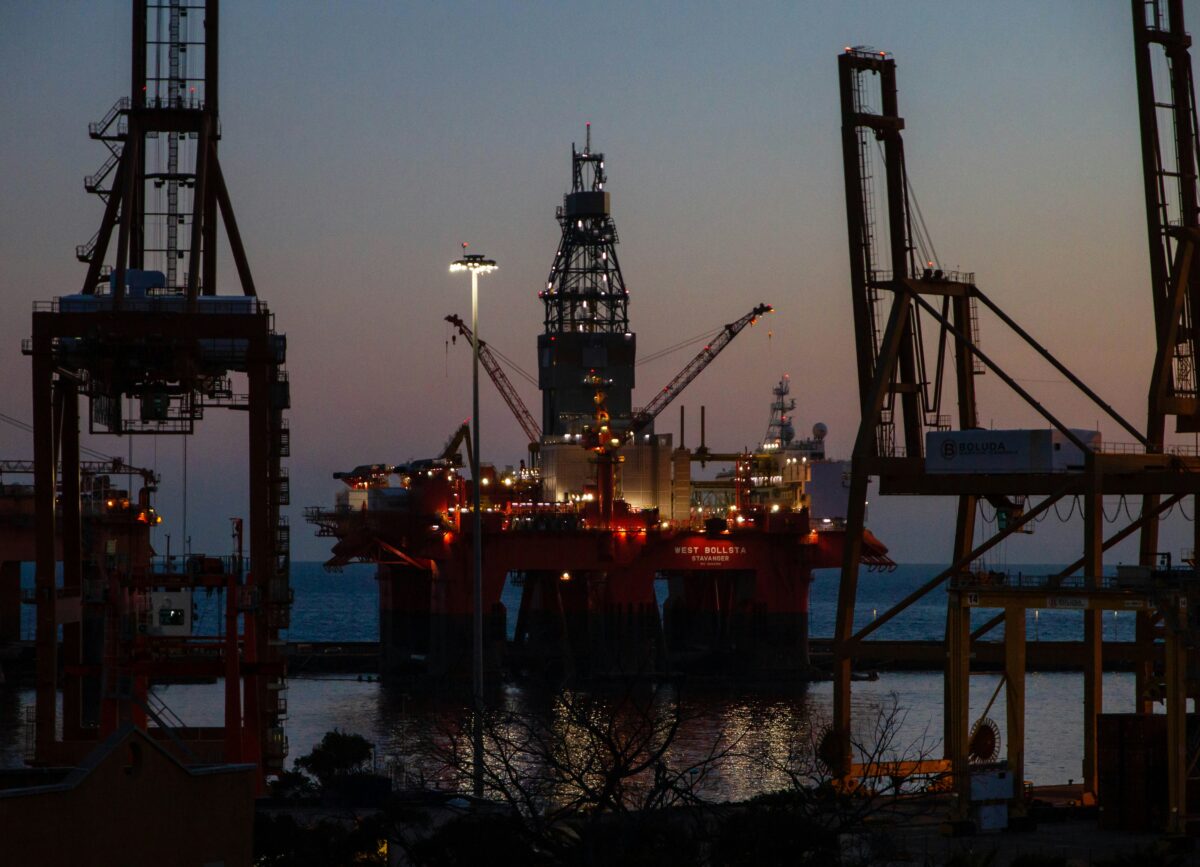
Technology is also impacting the risk landscape. “Traditionally, offshore assets, from ships to oil platforms, have been seen as low risk, because they are out of harm’s way,” it said. “But new technologies (such as drones) that enable remote attacks have become more widely available, and these hard-to-defend assets are ideal grey zone targets, especially when located in international waters (as with the Houthi attacks on shipping, and the cutting of undersea cables near Taiwan).”
In previous years’ surveys state-sponsored cyberattacks were seen as the number one grey zone risk, followed by retaliation against businesses. The majority of organisations (72 per cent) said they had suffered political loss – almost half (47 per cent) saying it was greater than $50 million – and 96 per cent said they had invested in new political risk management capabilities in 2023/2024.