The volume of cargo containers passing through the Red Sea plummeted in December 2023, following attacks on vessels by the Houthi. The Kiel Institute said that traffic currently stands at almost 70 per cent below expected trends.
“As a result, freight costs and transportation time in goods traffic between East Asia and Europe have risen and imports and exports from Germany and the EU are in some cases significantly lower than in the previous month,” it said.
Slowing trade
The report added that in the European Union the drop in container vessels using the route had contributed to a fall in exports by two percent and in imports by 3.1 per cent. The main impact, however, is likely to a be rise in the prices of transportation as goods make their way along the longer route via the Cape of Good Hope in Africa.
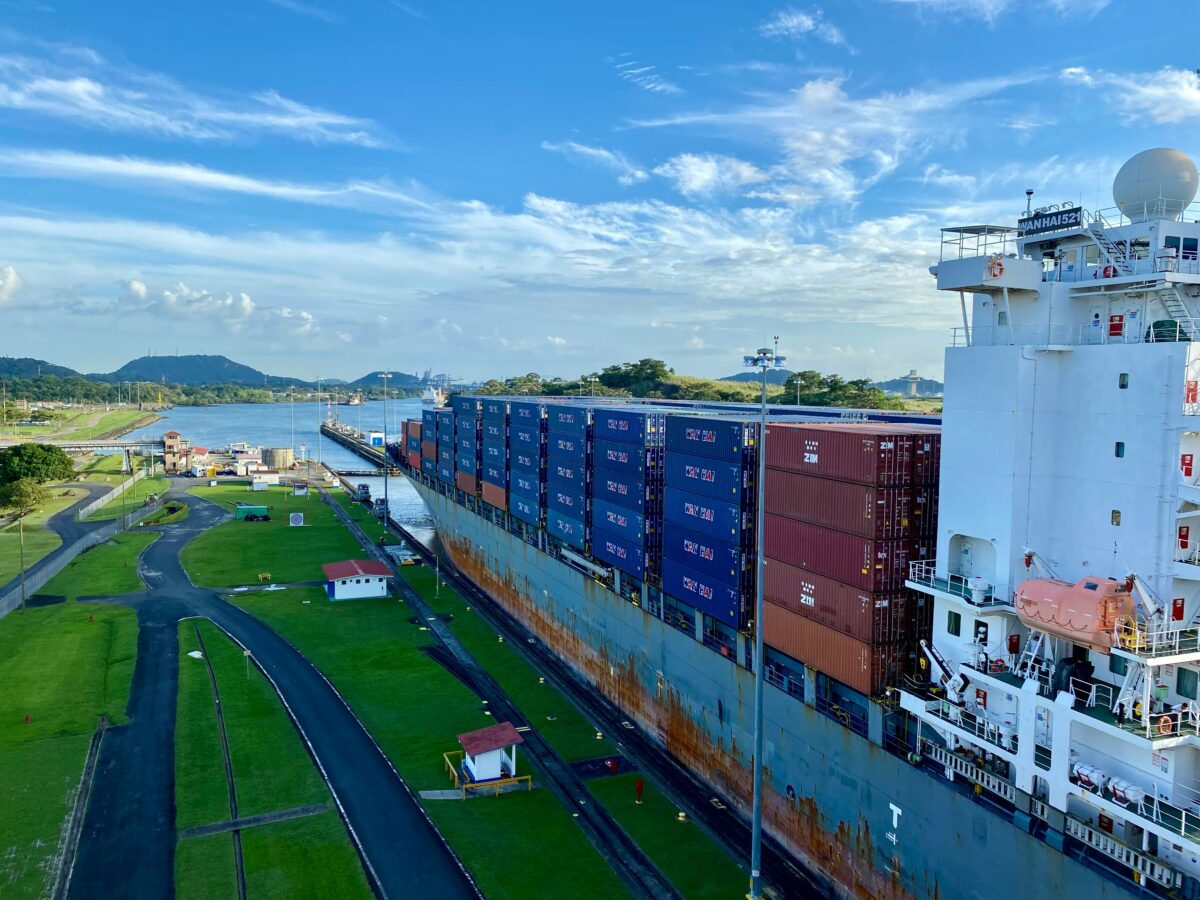
In the Americas, authorities have restricted the volume of ships passing through the drought-hit Panama Canal by about one third. The consultancy firm McKinsey estimated that could both increase transportation costs for businesses that use that route and add about 20 per cent to the average time it takes goods to get to their destination.
“The canal restrictions will likely result in across-the-board cost increases, regardless of how affected parties react,” the report said. “Costs like these are often passed through to customers—eventually making their way to final consumers.”
Innovation
In response, businesses are accelerating their supply chain resilience efforts. Between 2019 and 2023, the yearly average spend on supply chain innovation leapt from about $7m to over $20m – and increased by about $10m between 2022 and 2023, according to Catena Solutions.
While the pandemic triggered a steep rise in spending on digitalisation, geopolitical uncertainty has added impetus to that trend. “Disruption and innovation go hand in hand,” the report said. “While these seemingly black swan events transform into regular occurrences, companies will invest more time, money, and resources into innovation to minimize the impact of disruption.”