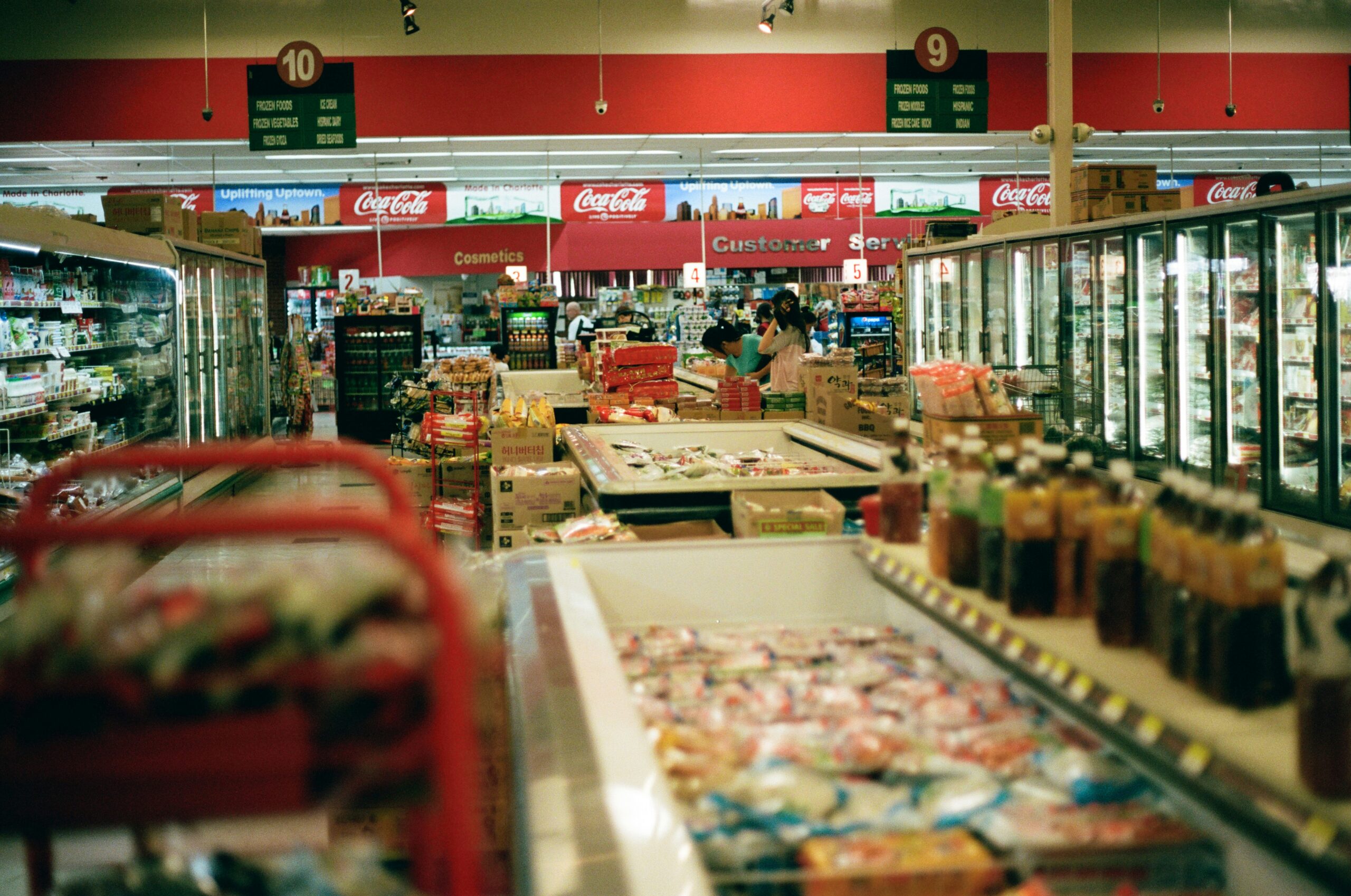
Recent cyberattacks on fridges, freezers and cold stores have shown how digital incidents can disrupt essential services. Between August and November 2026, publicly reported cases of freezer cyberattacks have affected food retail, supply chains and healthcare facilities. The earliest reports in this period concerned late-August refrigeration failures at at least six US military commissaries, including Fort Huachuca, which reported unintended defrosting on 26 August. The Pentagon subsequently treated the incidents as a suspected cyberattack; the cause and any connection with Europe remained unconfirmed.
Known freezer cyberattacks include:
- In France, attacks on 11–12 October hit hundreds of shops, including Intermarché, Netto, Coopérative U, Carrefour, E.Leclerc, Monoprix and Metro. Further incidents on 12–13 October involved Dixell equipment. CERT-FR’s alert, first issued on 12 October and expanded the following day, identified compromised Danfoss and Copeland/Dixell controllers.
- A further European wave on 1–2 November affected Belgium, Estonia, Finland, Ireland, Italy, Luxembourg, the Netherlands, Portugal and Sweden. Reported victims included 13 SuperValu stores in Ireland, seven Intermarché stores in Portugal and four Delhaize shops in Luxembourg. At least 17 Dutch businesses were affected, alongside 30 ICA and Coop stores and an Axfood warehouse in Sweden.
- Other November cases involved five Danish businesses; German CAP, REWE and Edeka supermarkets; and Swiss butcher Lüthi’s Fleischwaren and three Volg shops. Romania’s cybersecurity authority investigated suspected attacks at six stores belonging to one chain. Italy’s cases also extended to food distributors, catering and hospitality, including an attack at Bar Alla Spiaggia in Trentino overnight on 2–3 November.
- Healthcare was also affected. On 2 November, cold-room controls at three French Blood Service sites were compromised through a supplier, although monitoring and rapid intervention prevented blood-product losses. Germany’s BSI also confirmed an attack on the refrigeration systems of an unnamed pharmaceutical distributor.
- The UK has also recorded incidents. Reports identified three meat suppliers and Langridge Organic, a food wholesaler; the government confirmed on 12 November that a small number of UK organisations had been affected, with limited national impact. In his 3 November speech, NCSC chief Richard Horne highlighted refrigeration controls among technologies whose security and resilience receive insufficient attention in investment decisions.
Together, these cases demonstrate why refrigeration security belongs in business continuity and supplier oversight, with investment guided by the consequences of losing the service.
Sru Mandalapu, UK P&C Head of OT Cybersecurity at Capgemini, reflects on the wider implications:
The recent attacks on supermarket refrigeration systems made me think about how much of everyday life depends on technology we rarely notice. A freezer in a supermarket might not immediately feel like critical infrastructure, but when refrigeration stops working the impact becomes very real, very quickly. Food is lost, stock may have to be removed, stores are disrupted and pressure can spread into the supply chain. The same applies to the systems behind our water, electricity, transport and medicines. We generally don’t think about them when they are working, but we certainly notice when they are not.
From my experience working with Operational Technology, I believe this is where we sometimes need to look at risk differently. It is easy to focus on the technology or on what caused an incident, but the more important question is what happens to the service when that technology is no longer available. How long can we continue? Do we have another way of operating? Who else do we depend on? And, importantly, have we actually tested our ability to recover? These are practical business questions, not technical ones, and they should matter to anyone responsible for managing operational risk.
The freezer incidents are a useful reminder that disruption does not always start with something that appears significant. Sometimes it is an overlooked piece of equipment or a dependency that nobody considered particularly critical until it stopped working. For me, resilience is really about understanding those dependencies before something goes wrong. What do people rely on us to provide, what could stop us from providing it, and are we genuinely prepared to keep going when that happens? Those are simple questions, but increasingly important ones.
Putting operational resilience into practice
For cyber risk managers, this means assigning clear responsibility across operations, IT security and maintenance suppliers. Organisations should know who controls remote access, applies updates and manages equipment that is no longer supported. CERT-FR and the Dutch NCSC advise removing direct internet exposure, protecting necessary remote access and applying security updates. [1, 2]
Continuity planning should establish how long refrigeration can be disrupted before stock becomes unsafe, who can authorise its withdrawal and what alternative storage is available. Testing should include several sites losing refrigeration simultaneously, when contractors and spare capacity may be stretched. Boards should ask for evidence that recovery arrangements work, with investment decisions reflecting the potential cost of losing the service as well as buying and maintaining the equipment.
Sources [1] CERT-FR, 12 October 2026 | [2] Dutch NCSC, 2 November 2026 | [3] UK NCSC, 3 November 2026