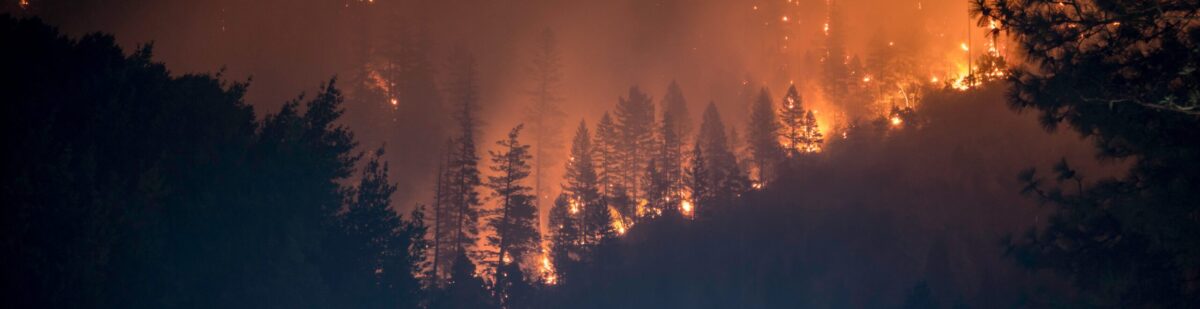
The world faces another year of extreme weather risk as experts predict that the conditions are right for the return of El Niño – a phenomenon that raises the temperature of the Pacific Ocean. If that occurs, Australia is likely to see the return of widespread deadly forest fires this year and the 2023-2024 winter in Northern Europe will become much colder.
The effect globally will mean the planet will warm faster. “It’s very likely that the next big El Niño could take us over 1.5C,” Professor Adam Scaife, head of long-range prediction at the UK Met Office, told the Guardian newspaper. “The probability of having the first year at 1.5C in the next five-year period is now about 50:50.”
Business cost
In addition to significant human and environmental damage created by extreme weather events, businesses lose money.
Natural catastrophes, for instance, are the second top cause of losses globally if they are measured by the value of insurance claims, according to the insurer Allianz. Over a quarter of global losses from such events (29 per cent) come from hurricanes and storms – with a further 19 per cent from flooding.
And events are becoming less predictable. During 2021, for example, the Texas big freeze in February 2023 in the US and flooding in Germany were unexpected and extreme. The Texas big freeze in February disrupted infrastructure and manufacturing. Many businesses shut down and power outages were widespread. “The event is estimated to have caused economic losses up to $150bn, while Winter Storm Uri caused $15bn in insured losses nationwide,” the insurer said.
Risk management
Risk management of extreme weather is difficult. Not only are extreme weather events unpredictable, but historical data provides a poor level of certainty for projecting their occurrence.
Risk managers must create a weather risk management plan to monitor both the weather and identify which workers and members of the public are most likely to be affected, the environmental consultancy AEM.
Communication is key. “You need to understand how you’ll protect the public and your employees in direct, clear ways, such as providing them with visible weather data displays in high-traffic areas, sending mobile alerts about incoming weather, installing automated gated signage that prevents them from entering temporarily hazardous areas, and using visual/audible sirens and alarms that make it abundantly clear when hazardous weather is nearby,” the company says. Sounding the all-clear is also important.