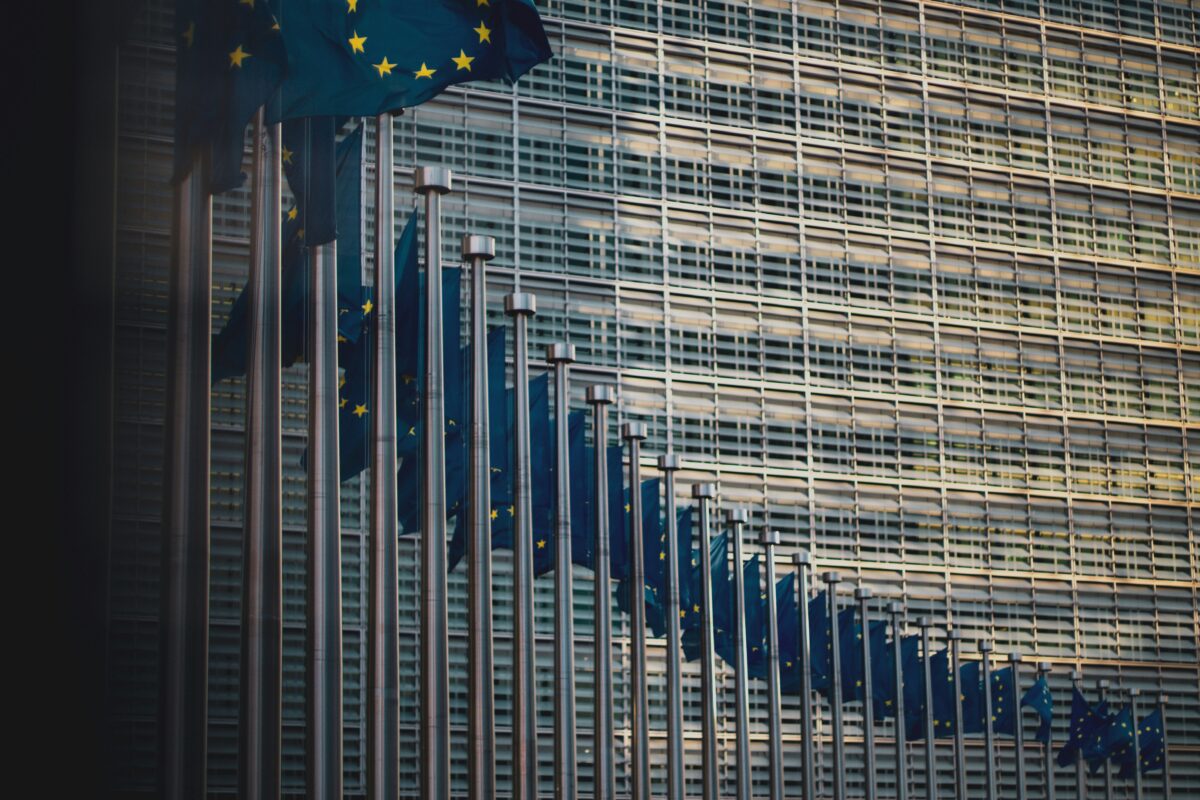
While the European Union (EU) is more prepared to deal with major crises than it was five years ago, the complex risk landscape has outpaced the body’s speed in dealing with them, according to a report published by the European Commission (EC).
While risks such as climate change and war affect the whole of region, report author Sauli Niinistö – former president of the Republic of Finland and special adviser to the EC – said that many still perceived such threats as local problems.
“For example, the threat of Russian aggression is felt most acutely by its immediate neighbours. Worsening droughts, flooding, and other manifestations of climate change are most acute concerns in those areas where they have already been experienced,” Niinistö said. “In reality, the most serious threats we need to be prepared for come with wide-ranging consequences that cross borders.”
Siloed approach
Current EU structures did not enable member states to co-ordinate their efforts efficiently and effectively to meet major challenges. For example, the body has not planned on how to respond to potential Russian aggression against a member state.
“Our ability to prepare for and act to tackle major threats is currently constrained by institutional, legal and political limitations that make it too difficult to bring relevant actors together quickly to address threats and manage a major crisis,” the report said. “One particular example is that defence and military security is still handled in the EU, to a large extent on a national basis, and in isolation from other fields of EU policy.” Such arrangements made developing new military capabilities, for example, slow and expensive.
Joined up solution
The impact of such threats cannot be prevented without common action, he said. That meant ensuring EU economic growth, better productivity, a greater focus on climate-related disasters, military co-operation and strategic risk management planning.
The report set out a range of areas in which member states needed to strengthen their cooperation. One crucial step towards achieving that goal would be to develop a comprehensive EU risk assessment – covering all threats and sectors.