-
UK businesses drag feet on climate preparations

Just over half (51%) of the UK’s businesses said it was the responsibility of government to ensure that organisations successfully adapt to the challenges of climate change – compared with only 15% that believed responsibility lies with their organisations. That is despite the fact that just over half (52%) said they had experience disruption from…
-
Multinationals cut office space as post-pandemic habits bed in

About half of all multinational companies said they planned to reduce office space over the next three years, according to a survey by real estate companies Frank Knight and Cresa. The largest number of global businesses (those with 50,000 employees or more) aimed to cut space by 10 to 20 per cent. By contrast, those with…
-
Carmakers face 10 per cent tariff hit over Brexit supply chain rules

European car manufacturers have warned the UK government to renegotiate its Brexit arrangements with Europe or risk losing thousands of jobs in the UK. In May, the world’s third largest carmaker Stellantis (which owns brands such as Citroen, Peugeot and Vauxhall) warned that it would face stiff tariffs in 2024 when exporting electric vans to…
-
UK business ethics codes lack clarity

While 90% of UK FTSE 100-listed companies have a publicly available code of ethics, those codes lack clarity in many cases, according to the Institute of Business Ethics (IBE). The body rated 57% of ethics codes published by FTSE 350 companies as good, but said; “The greatest room for improvement is in language and tone – clear…
-
Lagging productivity needs better focus of investment
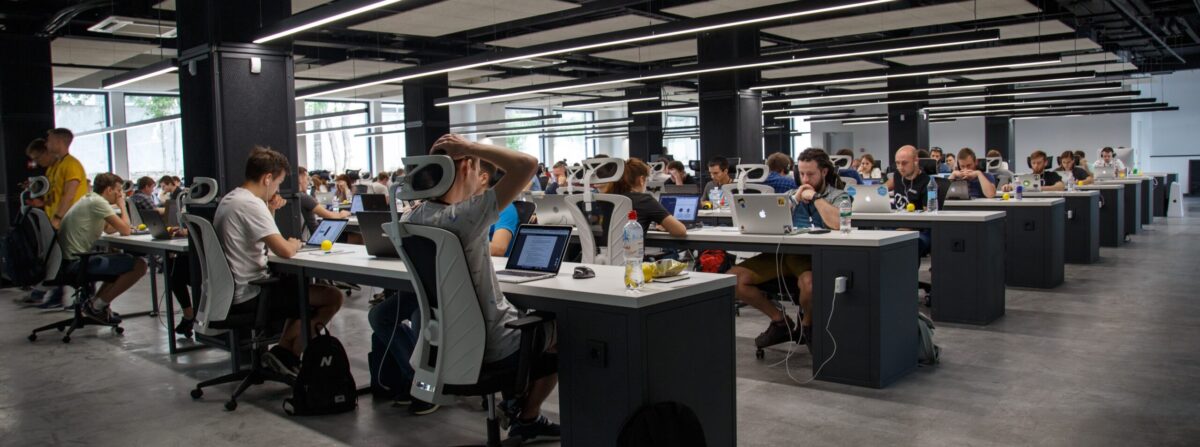
UK productivity slowed during the 2008-2009 global recession and continues to lag, according to a report by the UK Parliament. While UK productivity trended around 2 per cent up until that time, it has since declined to around 0.2 per cent – effectively flat-lining since 2019. The government said that if productivity had continued to grow…
-
Tax risk puts focus on governance

Tax risk is rising in the wake of last year’s agreement by G20 countries and the OECD to adopt a minimum corporate tax rate of 15 per cent for global businesses. The agreement is known as Pillar 2 of the OECD/G20 Inclusive Framework on Base Erosion and Profit Shifting. Pillar 2 is now enshrined in a European Directive.…
-
Extreme weather risk threat from return of El Niño

The world faces another year of extreme weather risk as experts predict that the conditions are right for the return of El Niño – a phenomenon that raises the temperature of the Pacific Ocean. If that occurs, Australia is likely to see the return of widespread deadly forest fires this year and the 2023-2024 winter in Northern…
-
US bank rules face overhaul
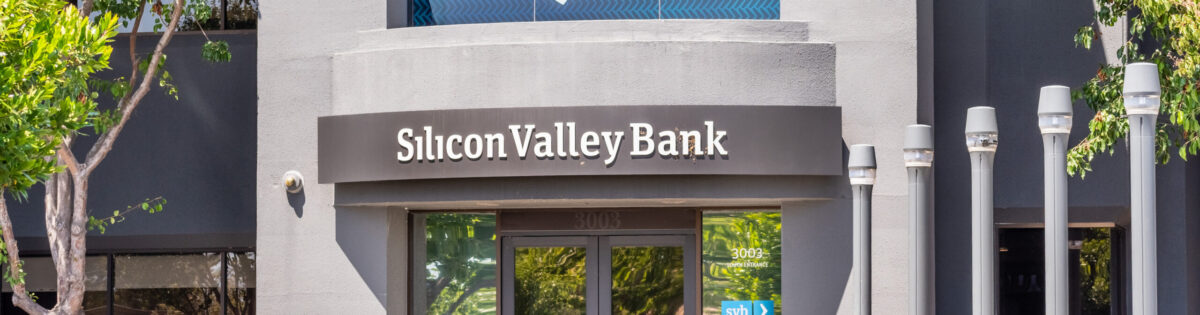
The collapse of Silicon Valley Bank (SVB) and Signature Bank in the US have led to a review of the current regulatory regime by the country’s financial watchdogs. While they say that the banking system is essentially sound, Federal Reserve vice chair for supervision Michael Barr said that he is conducting a comprehensive review of…
-
Fraud risk increases as cost-of-living crisis bites

Fraud risk is increasing as the cost-of-living crisis bites globally. It is a trend that has risen since millions of workers were sent home to work in 2020 as the pandemic spread. From 2021-2022, attempted fraud transactions rose by 92 per cent, according to an extensive analysis of $110 trillion worth of data by Nice Actimize. In…
-
Connected devices represent major cyber risk

Connected devices have expanded the number of ways cyber criminals can attack and breach corporate networks, according to a report by Forescout. About a quarter of a business’ IT infrastructure is no longer comprises traditional networks, which is creating new weak spots for hackers to target. “The growing number and diversity of connected devices in every…